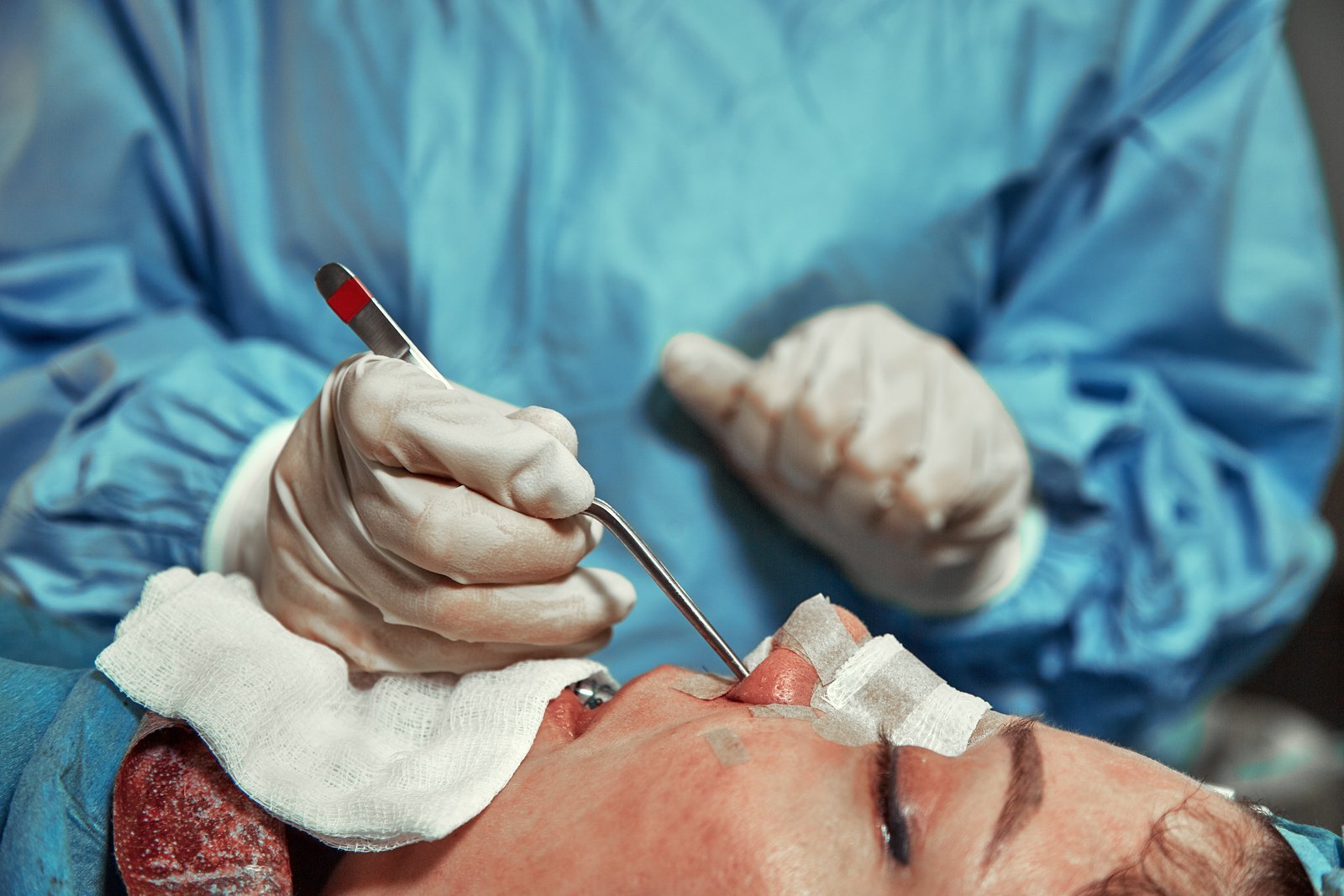
Nose cancer surgery is performed to remove cancerous growths from the nasal cavity or surrounding structures. It is recommended when tumors are detected in the nose or sinus region and require surgical removal to prevent further spread and restore normal function. The type of surgery depends on the size, location, and stage of the tumor, and may involve minimally invasive endoscopic techniques or open surgical approaches. The goal is to completely remove the cancer while preserving breathing function, facial structure, and overall quality of life.
Depending on the location and stage of cancer, surgery may be performed using endoscopic (minimally invasive) techniques or open surgical approaches. The choice of method is based on tumor size, depth, and involvement of surrounding tissues.
The goal of surgery is to remove cancer while preserving normal breathing and facial appearance as much as possible. In some cases, reconstructive procedures may be performed to maintain both function and cosmetic outcomes.
During the procedure, patients are under anesthesia and do not feel pain. After surgery, mild to moderate discomfort may occur, which is effectively managed with medications and proper post-operative care.
Recovery time varies depending on the type of surgery performed. Minimally invasive procedures allow quicker recovery, while more complex surgeries may take longer. Most patients gradually return to normal activities with proper care.
In endoscopic surgery, there are usually no external scars as the procedure is done through the nose. In open surgery, small scars may be present but are minimized and managed for better cosmetic results.
Possible risks include bleeding, infection, or temporary swelling. In rare cases, there may be changes in smell or nasal function, but these are usually temporary and improve with recovery.
If you experience symptoms like persistent nasal blockage, bleeding, facial pain, or unusual growths, it is important to consult a specialist. Early diagnosis helps in timely treatment and better outcomes. Your doctor may recommend diagnostic tests such as nasal endoscopy, imaging scans, or biopsy to confirm the presence and extent of the disease. Based on the findings, an appropriate treatment plan, including surgery if required, will be advised to ensure effective and timely care.