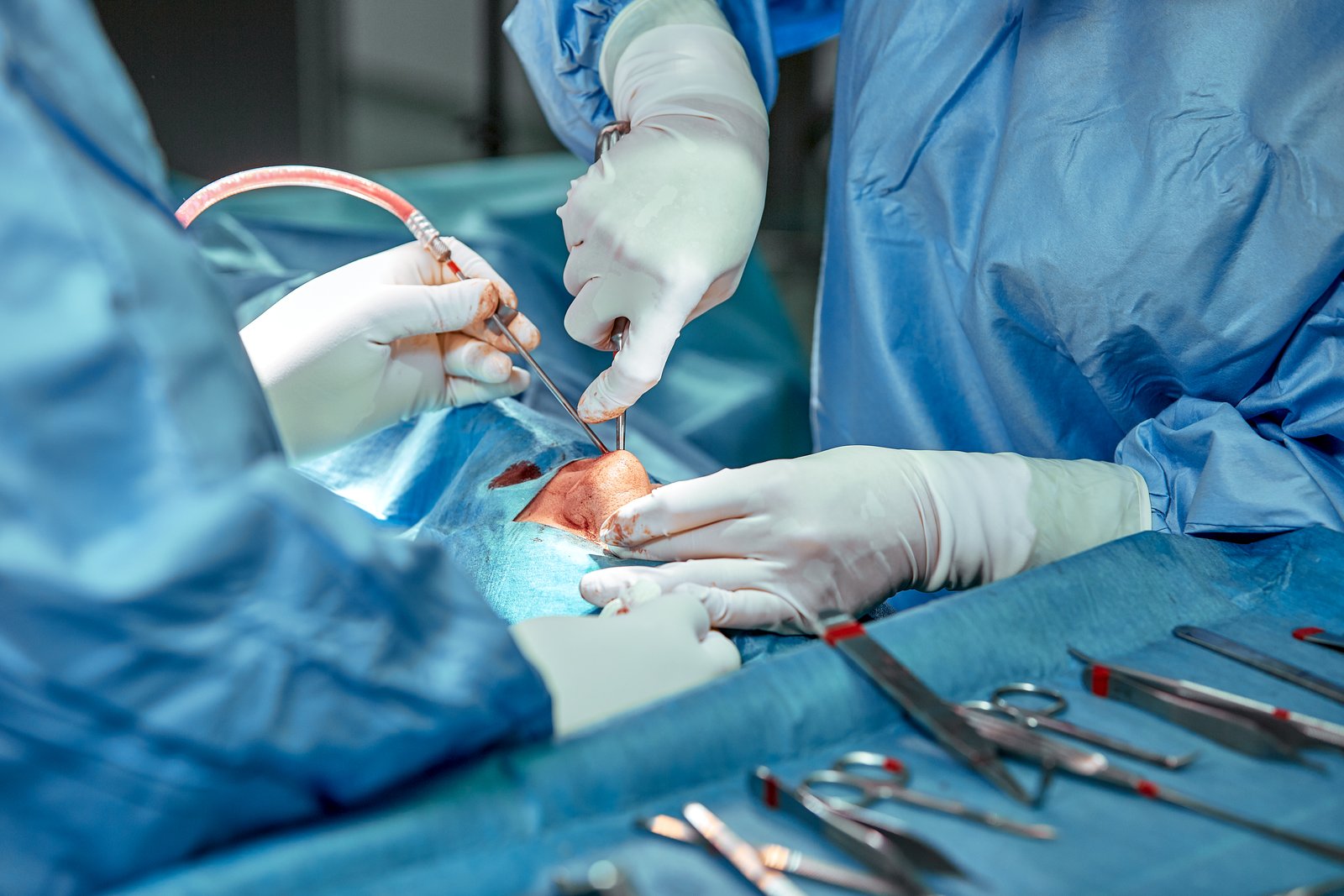
Open surgery for oral cancer is a traditional surgical method where the surgeon removes the cancerous tumor through a direct incision. This approach allows complete access to the affected area, ensuring thorough removal of cancer while preserving as much healthy tissue as possible.
Open surgery is usually recommended for advanced or large tumors that cannot be treated with minimally invasive techniques. It is also preferred when cancer has spread to nearby tissues or requires complex reconstruction after tumor removal.
Open surgery involves larger incisions and direct access to the tumor, while robotic surgery uses advanced technology with smaller incisions. Open surgery is more suitable for complex cases, whereas robotic surgery focuses on precision and faster recovery.
Yes, open surgery is a safe and effective treatment when performed by experienced surgeons. It has been a standard approach for many years and offers reliable results in removing cancer completely, especially in advanced cases.
Recovery after open surgery may take longer compared to minimally invasive methods. Patients may require a longer hospital stay and gradual healing time, depending on the extent of surgery and individual health condition.
Yes, since open surgery involves larger incisions, some visible scarring may occur. However, surgeons take care to minimize scars and ensure better cosmetic and functional outcomes through advanced surgical techniques.
Like any major surgery, open surgery carries risks such as infection, bleeding, or swelling. However, with proper care, advanced techniques, and post-operative support, these risks are well managed and controlled.
Preparation includes medical evaluation, diagnostic tests, and following the doctor’s instructions before surgery. Patients may be advised on diet, medications, and lifestyle adjustments to ensure a smooth and safe surgical experience. It is also important to stop smoking and alcohol, maintain proper nutrition, and inform the doctor about any existing health conditions or medications. Mental preparation and understanding the procedure can help reduce anxiety and improve overall recovery outcomes.