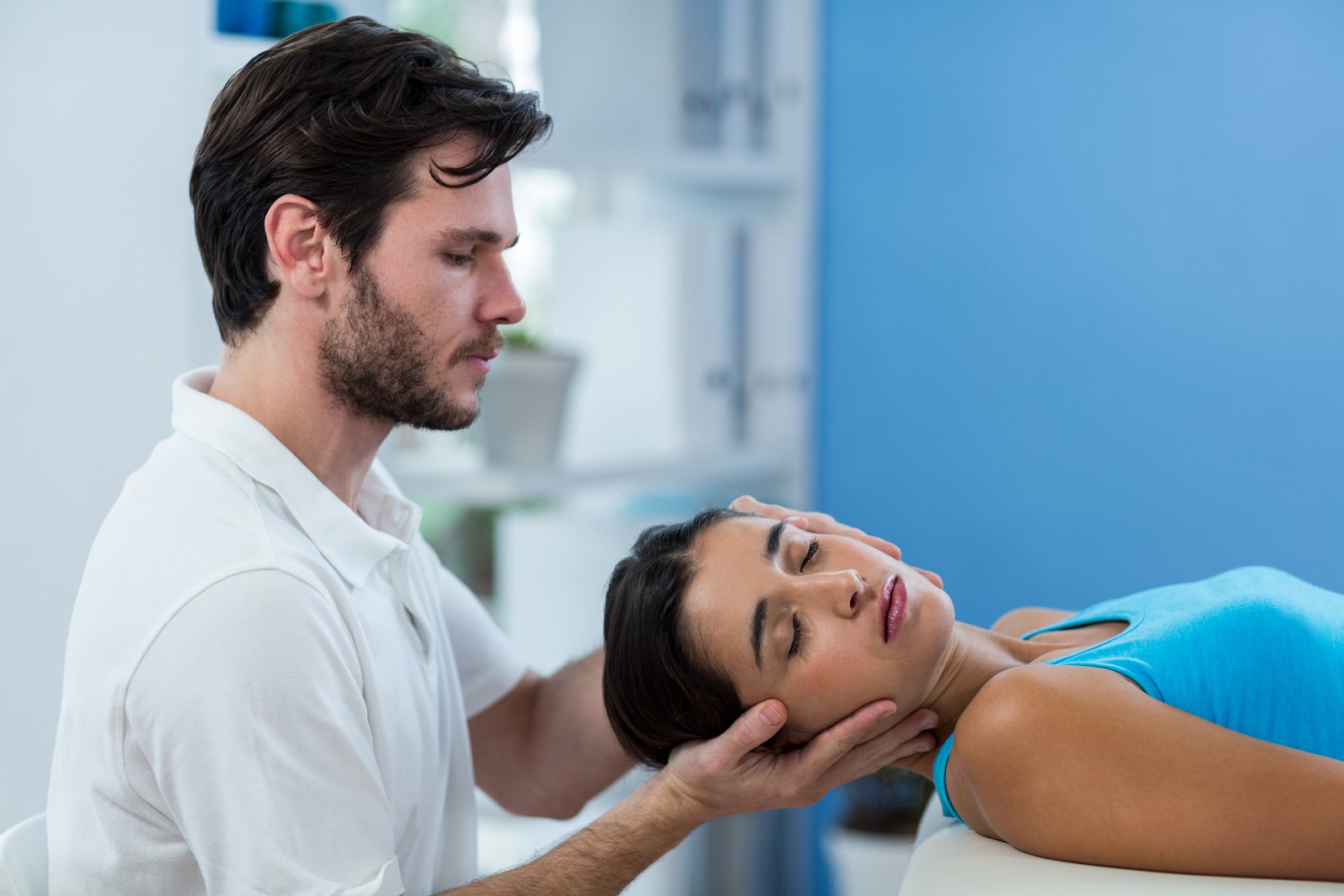
Pre and post-operative rehabilitation is a planned approach to prepare patients before surgery and support recovery after surgery. It focuses on improving strength, function, and overall health to ensure better surgical outcomes and faster healing. It includes guidance on physical fitness, nutrition, and mental preparation before surgery, as well as structured recovery support after surgery such as physiotherapy, mobility training, and functional rehabilitation. This comprehensive approach helps reduce complications, enhances recovery, and improves overall quality of life for patients.
Pre-operative rehabilitation helps prepare the body for surgery by improving physical fitness, nutrition, and mental readiness. It reduces the risk of complications and supports smoother recovery after the procedure. It also helps patients build strength, improve breathing capacity, and understand the recovery process in advance. This preparation enhances the body’s ability to handle surgery, reduces hospital stay, and promotes faster and more effective post-operative recovery.
Post-operative rehabilitation includes pain management, physiotherapy, speech or swallowing therapy (if needed), and gradual return to normal activities. It ensures proper healing and restoration of function.
Rehabilitation usually begins shortly after surgery, depending on the patient’s condition. Early rehabilitation helps prevent complications and promotes faster recovery.
Yes, structured rehabilitation significantly improves recovery speed, reduces complications, and helps patients regain strength, mobility, and confidence more quickly.
Rehabilitation is recommended for most patients, especially those undergoing major or complex surgeries. It is customized based on individual needs and treatment plans.
Rehabilitation helps improve physical strength, reduce pain, restore function, and enhance overall quality of life. It also supports emotional well-being during recovery.
The duration of rehabilitation varies depending on the type of surgery and patient condition. Some patients recover within weeks, while others may require longer support for complete recovery.